


Recent News

P&G Korea expands social contribution for visually impaired
P&G Korea is expanding its community outreach by improving access to household products for visually impaired people and recycling plastic waste into public amenities such as benches. P&G Korea, the Korea Consumer Agency and a council of participating businesses jointly held a donation ceremony for household products with braille labels and a safety education session on Oct. 15 to mark the 47th White Cane Safety Day, which honors the achievements of blind and visually impaired people and celebrates the white cane as a universal symbol of their independence. Since 2022, P&G Korea has supported visually impaired people by providing household products and funding the production of braille tags and stickers. The company has donated 15 million won ($10,600) worth of household products, including Downy fabric enhancers and Head & Shoulders hair care products, as well as 2 million won to support the production of braille tags and stickers. This year, P&G Korea held its first household product safety education session for visually impaired students. The session was held for preschool and elemen

Hyundai Glovis teams up with Shopee to take K-beauty overseas
Hyundai Glovis is joining forces with Shopee to help Korean beauty brands navigate the logistical hurdles of overseas expansion, betting that smoother shipping and customs procedures can turn global demand for K-beauty into a larger business opportunity. The logistics company said Monday it began operating under an end-to-end logistics partnership with Shopee Korea this month, covering the full supply chain for Korean cosmetics brands seeking to sell through the e-commerce platform. Shopee, which has about 700 million users, is a leading e-commerce platform in Southeast Asia and Taiwan and has a significant presence in Brazil, according to Hyundai Glovis. The partnership will provide sellers with a single point of contact for domestic cargo pickup, air and sea freight, import and export customs clearance, local regulatory approvals and fulfillment services. Hyundai Glovis said the integrated system is intended to shorten delivery times and reduce the burden on cosmetics companies that have traditionally relied on separate providers for different stages of shipping, often creating bottlen

Alibaba platforms generate estimated $10.4 bil. in domestic output
Alibaba Group’s e-commerce platforms generated an estimated 14.17 trillion won ($10.4 billion) in production across Korea’s economy last year through sales of Korean-registered brands to Chinese consumers, according to research released Monday. The study by Choi Seong-jin, a professor at Hanyang University, examined how the Chinese marketplaces Taobao and Tmall, along with other Alibaba platforms, help Korean companies reach overseas customers and expand domestic business opportunities. Transactions involving Korean-registered brands on Taobao and Tmall totaled about 7.1 trillion won in 2025, while sales attributed to Korea after adjustments for overseas distribution and service margins amounted to about 5.43 trillion won, the research found. The estimated domestic value-added effect was 5.06 trillion won, while related employment was estimated at 42,300 jobs. “Overseas sales of Korean brands through global online platforms can expand export opportunities while creating new demand for domestic industries, including raw-material suppliers, packaging manufacturers and logistics servi

Nongshim gives Shin Ramyun fine-dining twist with top LA chef
Nongshim is taking Shin Ramyun beyond the instant noodle bowl, teaming up with a celebrated Los Angeles chef to give its signature spicy noodles a fine-dining makeover as the brand marks its 40th anniversary. The Korean food company said it was the only Korean food company participating in the Los Angeles Times’ “101 Best Restaurants in L.A.” event, held from Friday through Saturday at Barker Hangar in Santa Monica, California. The company operated a promotional booth featuring a Korean-inspired tasting lounge, an oversized Shin Ramyun package and anniversary-themed installations designed for photographs. The centerpiece was a pair of dishes developed with Jihee Kim, owner-chef of Perilla LA, a Korean restaurant selected for the Los Angeles Times’ list of the city’s 101 best restaurants for four consecutive years, from 2023 through 2026. One dish, “Shin Ramyun Original with Octopus & Slow-Roasted Tomato,” combines the noodles with octopus, roasted tomatoes and perilla leaves to deepen their savory flavor. The second, “Shin Ramyun Rosé with Burrata & Gim,” pairs the crea

Johnnie Walker names BLACKPINK's Rosé as brand partner
Johnnie Walker, the scotch whisky brand owned by British drinks giant Diageo, has named Rosé of K-pop girl group BLACKPINK as its new brand partner, the company said Monday. The brand will run campaigns celebrating the Grammy-nominated singer’s creativity in Korea, Britain, Indonesia, China and other markets. The partnership kicks off Monday with a brand event at Bar 81 in Signiel Seoul, a luxury hotel in Lotte World Tower, Korea’s tallest building. At the event, Rosé will present her signature cocktail, the “Twist of Something Highball,” made with Johnnie Walker Black Label. The cocktail will later be served at other bars in Seoul, including venues on the Asia’s 50 Best Bars list and bars run by champions of World Class Korea, a Diageo-sponsored bartending competition. Through the partnership, Rosé will add her own style to collaborations exploring new expressions of the brand in culture, design and creativity, the company said. “I’m happy to expand my creative boundaries and try something new that connects different worlds through this collaboration with Johnnie Walker,

Mom's Touch to enter Kazakhstan through local food conglomerate
Korean burger and chicken chain Mom’s Touch will enter Kazakhstan, expanding its presence in Central Asia after entering Uzbekistan last year, the company said Monday. Mom’s Touch said it signed a master franchise agreement with Mom’s Touch Central Asia LLP, the restaurant arm of Kazakh food company Shin-Line Group. Under such agreements, a local partner gains the rights to open and operate stores and to sub-franchise in a given territory. The two companies aim to open more than 50 stores over the next 10 years. The first store is targeted for the first half of next year. The deal also covers neighboring Kyrgyzstan. Mom’s Touch said it will first establish the brand in Kazakhstan, Central Asia’s largest economy, and then gradually consider entering nearby markets. Founded in 1995, Shin-Line is Central Asia’s top ice cream maker, with a market share of more than 40 percent across the region. It exports to about 10 countries of the Commonwealth of Independent States, a grouping of former Soviet republics, through its own cold-chain logistics network. It also operates more than

Samsung SDI, Alpha Omega Power sign 1-GWh ESS supply deal
Samsung SDI said Monday that its U.S. subsidiary, Samsung SDI America, has signed a 1-gigawatt-hour agreement to supply energy storage systems (ESS) to Alpha Omega Power, a U.S. utility-scale battery storage developer and independent power producer. The latest deal brings the total volume of agreements between the two companies to 1.5 gigawatt-hours, including an initial contract signed late last year. Alpha Omega Power plans to deploy the systems in large-scale power projects aimed at strengthening grid reliability and meeting rising electricity demand. Construction is scheduled to begin next year in the Western Electricity Coordinating Council and Electric Reliability Council of Texas markets. Under the latest agreement, Samsung SDI will supply its Samsung Battery Box 1.7, an integrated ESS equipped with nickel-cobalt-aluminum batteries. All cells and modules will be manufactured at the StarPlus Energy plant in Kokomo, Indiana, with deliveries scheduled to be completed by the end of this year. Samsung Battery Box 1.7 offers 17 percent higher energy density than its predecessor, Samsung

POSCO union warns of 'indefinite' walkout after wage talks collapse
Unionized workers at South Korean steelmaker POSCO will launch an "indefinite" strike next week unless the company makes an acceptable offer in wage negotiations, the union said Monday. The warning came after wage talks between POSCO and the union broke down over the weekend. "Starting at 7 a.m. on Nov. 2, workers in non-core production lines at the company's plants in Pohang and Gwangyang will go on strike, excluding those in the blast furnace, heating and steelmaking lines," union spokesperson Park Chun-su said over the phone. The union remains open to negotiations if the company makes any meaningful new proposals before the strike begins, he said. "If the union launches the planned strike, the company will immediately activate an emergency operational response system and adjust production volumes to minimize the impact on customers and domestic demand industries," POSCO said in a statement. In September, unionized workers at the two plants in southern South Korea staged two rounds of partial strikes, marking the first industrial action by POSCO workers since the company was founded in

Samsung, SK hynix shareholder return policies in focus ahead of Q3 earnings
Shareholder return policies of Samsung Electronics and SK hynix are gaining market attention ahead of their announcements for third-quarter earnings, as investors see them as a key way to address the mismatch between the chipmakers' record-breaking profits and their sluggish share prices. Samsung Electronics is set to announce its three-month financial results during its earnings call on Thursday, while SK hynix said it will announce its results on its earnings call on Wednesday. Earnings are expected to be exceptionally strong, as surging demand for memory chips and continued supply bottlenecks have driven up average selling prices across the memory chip market. In its earnings guidance released Oct. 8, Samsung Electronics estimated third-quarter revenue of 195 trillion won ($146.96 billion) and operating profit of 107.4 trillion won. If realized, the company will become the first Korean company to surpass 100 trillion won in quarterly operating profit. SK hynix is expected to post 98.23 trillion won in revenue and 76.96 trillion won in operating profit during the same period, according

The communication gap in the AI workplace
Australian companies are redesigning jobs, tasks and teams around artificial intelligence faster than many are explaining to employees what those changes mean.

Early user reports of iPhone Duo mishaps see cracked screens and faulty pixels
Users report that inner displays become damaged after a few folds, with
Alibaba Cloud founder on how AI can unlock human potential
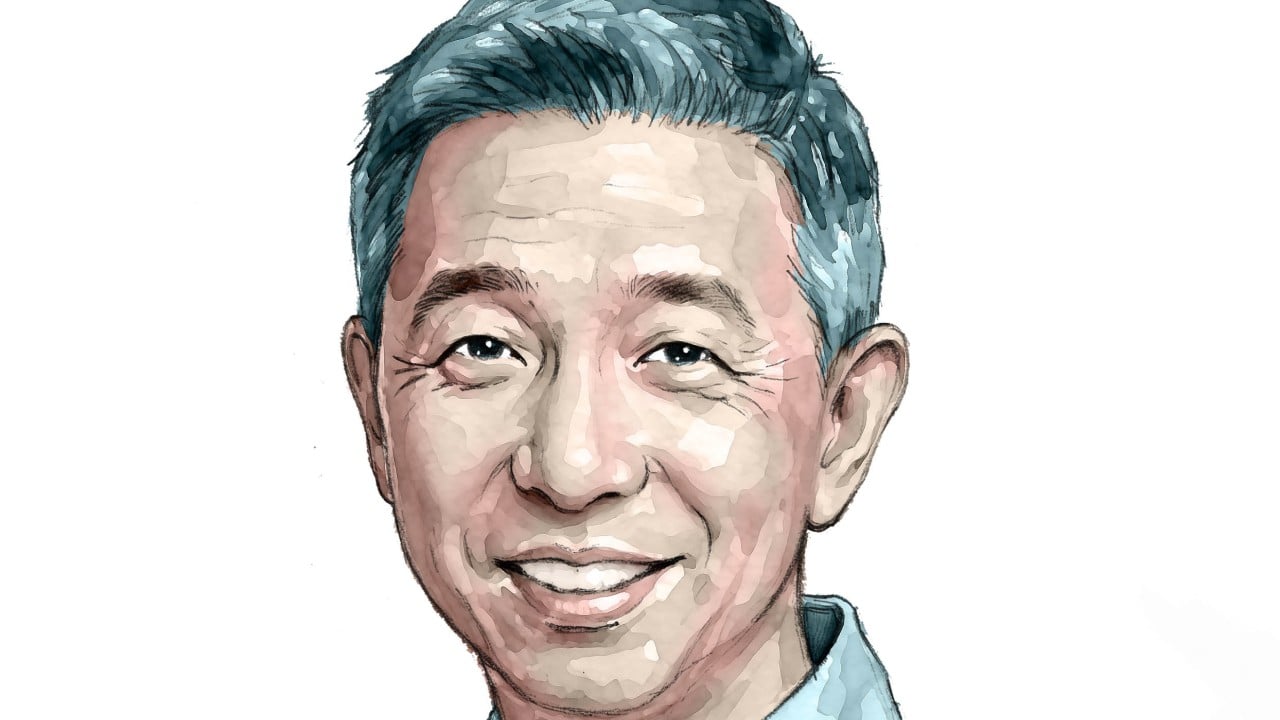
Long before artificial intelligence became the next big thing in the tech industry, Wang Jian was crafting the foundational infrastructure that would eventually power it. In 2008, he joined Alibaba Group Holding – owner of the South China Morning Post – as chief architect and founded Alibaba Cloud in 2009, convincing the company’s leadership to invest heavily in building a cloud computing infrastructure from scratch. Today, Wang’s purview has expanded considerably. As an academician at the...
China shoots ahead on AI video models
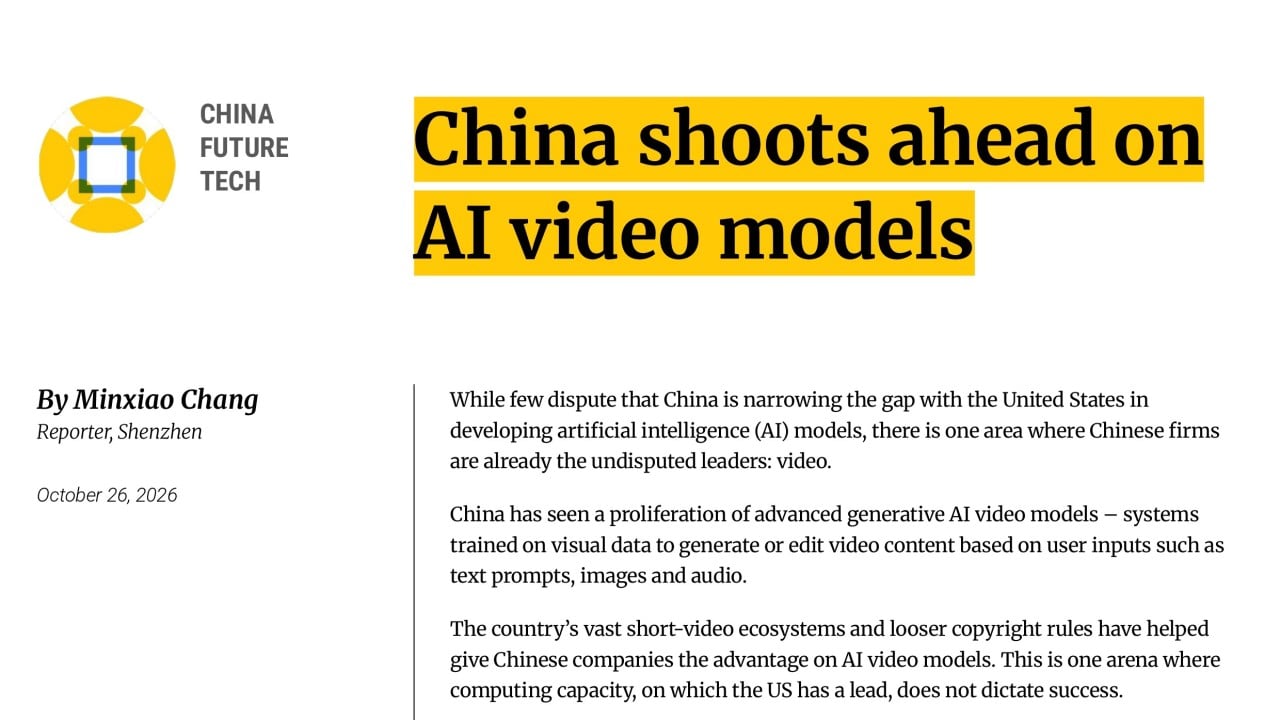
While few dispute that China is narrowing the gap with the United States in developing artificial intelligence (AI) models, there is one area where Chinese firms are already the undisputed leaders: video. China has seen a proliferation of advanced generative AI video models – systems trained on visual data to generate or edit video content based on user inputs such as text prompts, images and audio. The country’s vast short-video ecosystems and looser copyright rules have helped give Chinese...

Strong iPhone Duo demand reportedly prompts Apple to increase orders by 44%
The iPhone Duo reportedly saw stronger-than-expected pre-orders in several major markets, prompting a significant increase in production orders.

Samsung teases another foldable for 29 October event
Samsung may have another foldable up its sleeve this year, with a teaser image hinting at a device set to launch this week.
Why cloud computing pioneer Wang Jian thinks space is the next AI frontier
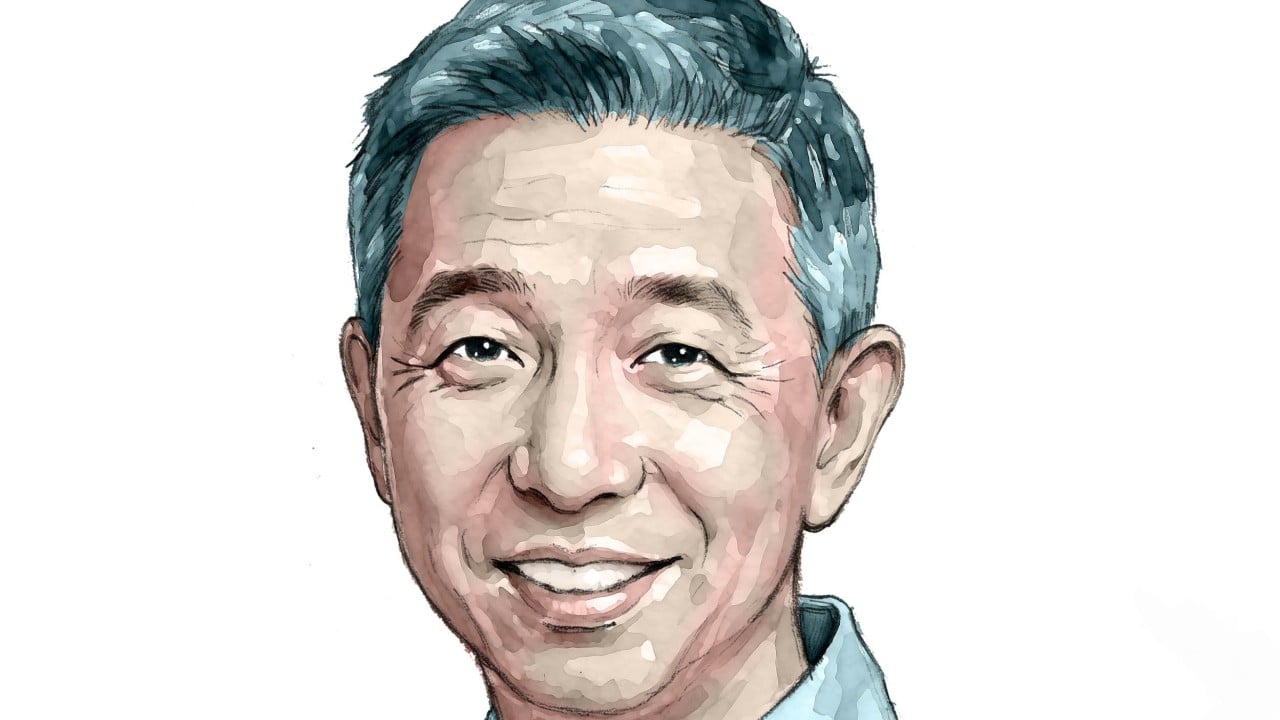
Long before artificial intelligence became the next big thing in the tech industry, Wang Jian was crafting the foundational infrastructure that would eventually power it. In 2008, he joined Alibaba Group Holding – owner of the South China Morning Post – as chief architect and founded Alibaba Cloud in 2009, convincing the company’s leadership to invest heavily in building a cloud computing infrastructure from scratch. Today, Wang’s purview has expanded considerably. As an academician at the...

Ubisoft Singapore lays off 70 staff as studio downsizes
The cuts affect around one-fifth of the studio’s local workforce, with Ubisoft saying its Singapore operation remains an important part of its global production organisation.

Mercedes-Benz’s new three-row all-electric GLB arrives for families with a need for space
The new electric GLB consists of two models and has a claimed WLTP range of up to 674km.
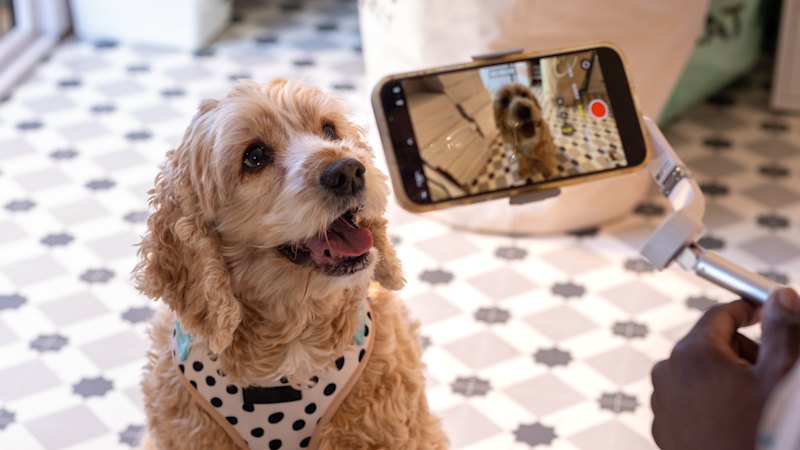
Cavoodles never influenced anyone to do evil, but I’ve deleted them regardless
I executed this radical feat partly because there are so few acts of rebellion available to middle class, law-abiding working mothers.
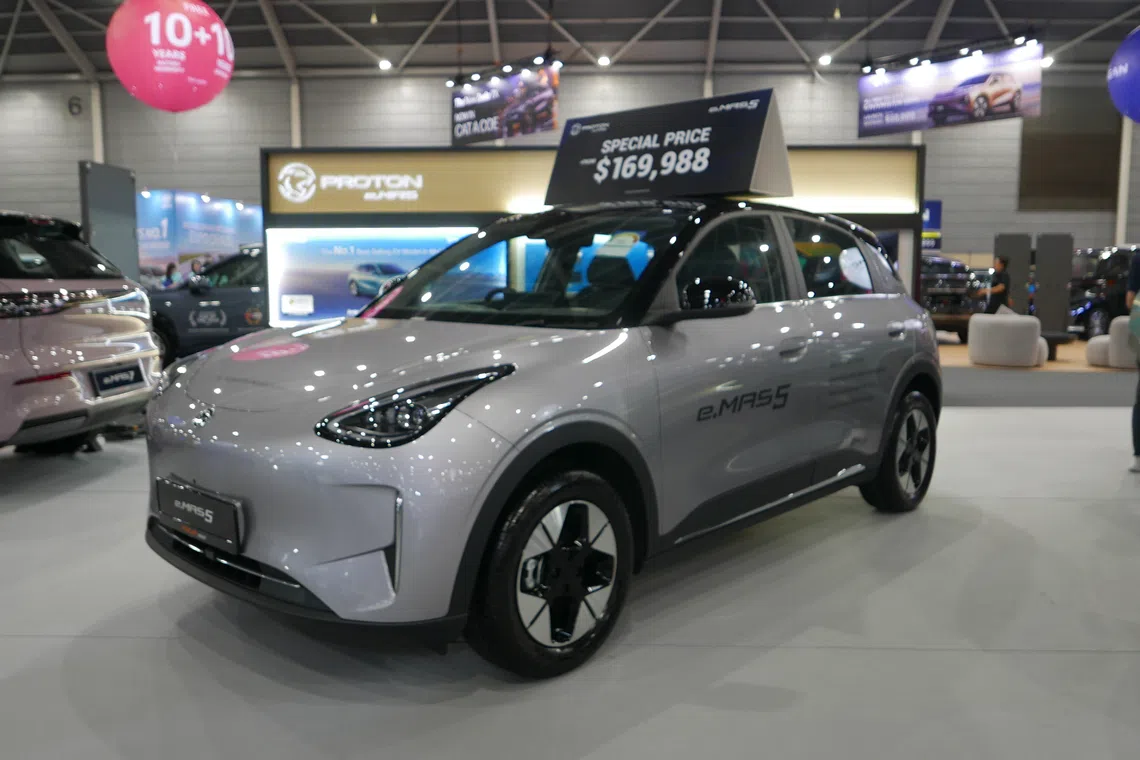
Grab deals, freebies and prizes as you upgrade your ride at The Car Expo 2026
From the latest electric vehicles and hybrids to exclusive car deals and cash prizes, The Car Expo 2026 offers plenty of reasons to head down to Singapore EXPO this weekend.

Export push seeks to breathe new life into Korea's hollowed-out mining towns
Deep in the rugged, forested mountains of Gangwon Province, the hollowed-out shafts of abandoned anthracite mines stand as quiet monuments to Korea’s industrial birth. During their mid-20th-century heyday, these bustling towns fueled the nation’s postwar economic miracle, powering domestic hearths and heavy manufacturing alike. But as Korea’s energy needs shifted toward oil and gas in the 1980s, the region entered a long, steep decline. While a handful of major mines remained operational into the 2020s, the last state-run mine officially closed its shafts in mid-2025 — leaving behind steep valleys marked by demographic collapse and crumbling local economies. Now, trade officials and local leaders are trying a new approach to revive these quiet valleys: connecting their remaining small businesses directly to overseas markets. Rather than relying solely on local tourism or government aid, a national trade showcase last week in Goyang, Gyeonggi Province, brought small-town entrepreneurs face-to-face with international buyers. At the center of the event was a targeted exhibition flo
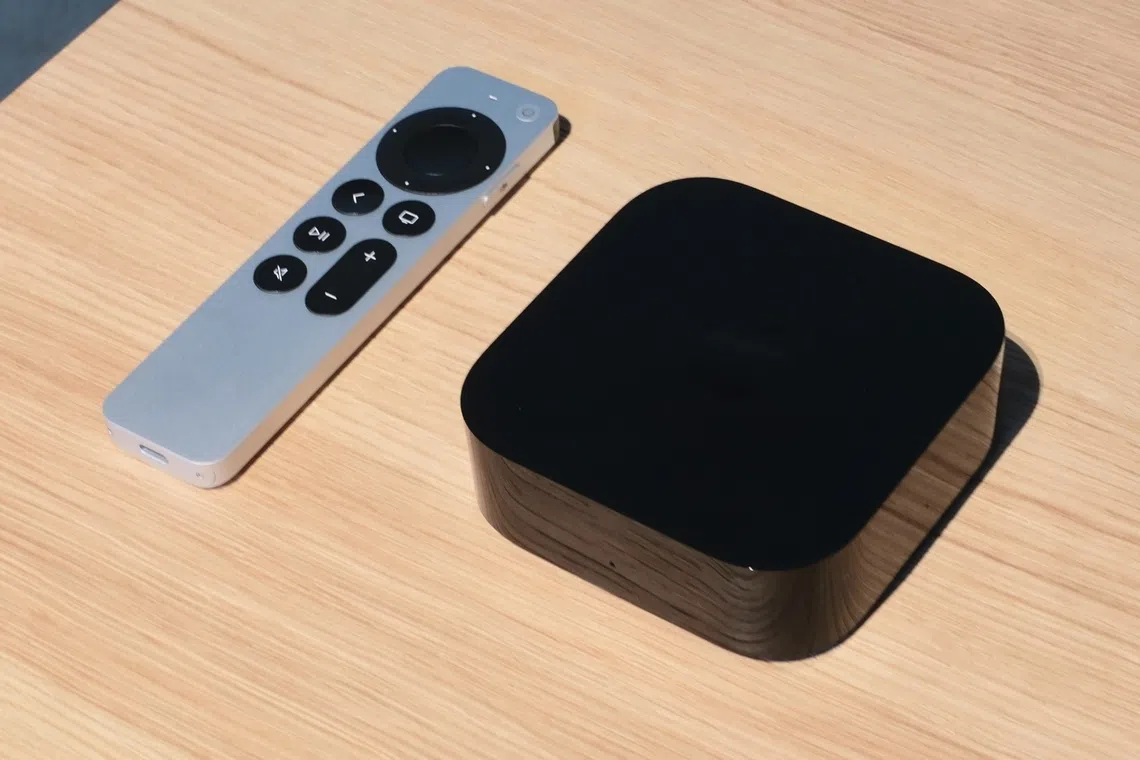
Apple updates the Apple TV 4K with A19 chip, new Siri Remote, and higher price tag
Apple’s digital media streaming box gets a more powerful chip, support for Siri AI, and a new remote with some nifty features, and a higher price tag.
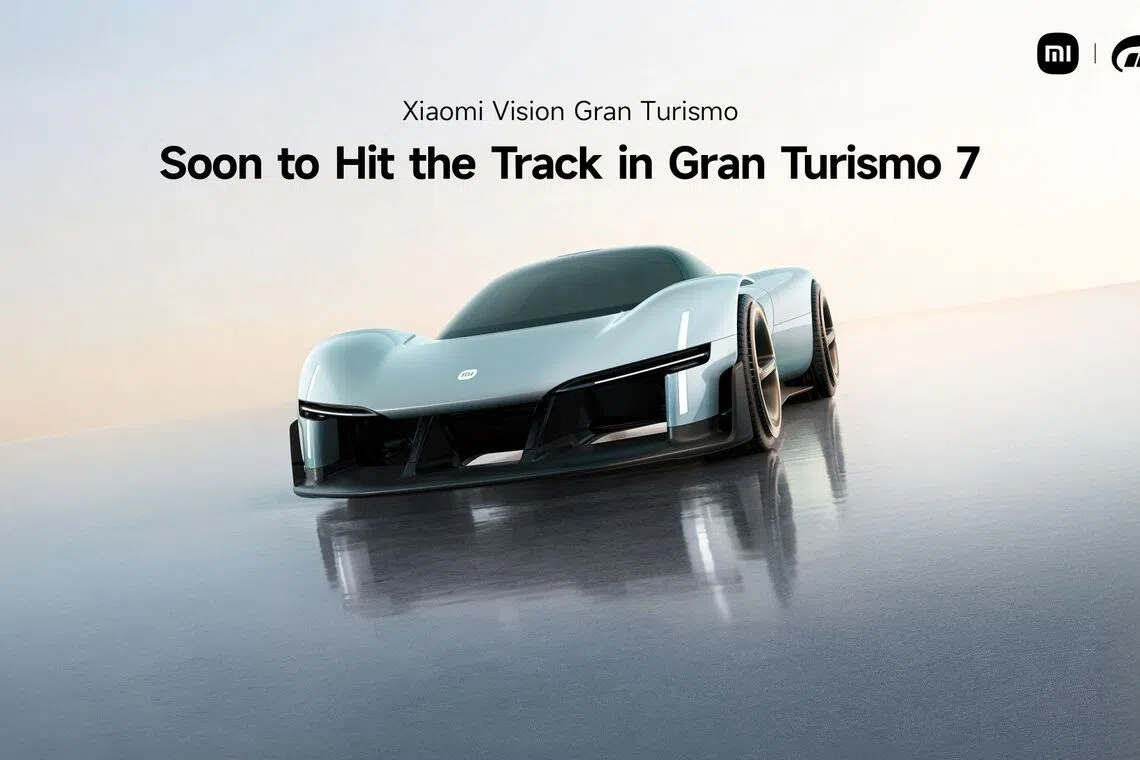
Xiaomi Vision Gran Turismo is coming to Gran Turismo 7 this October
Xiaomi’s wind-sculpted concept car will arrive alongside the PlayStation-exclusive game’s EV Experience mode.
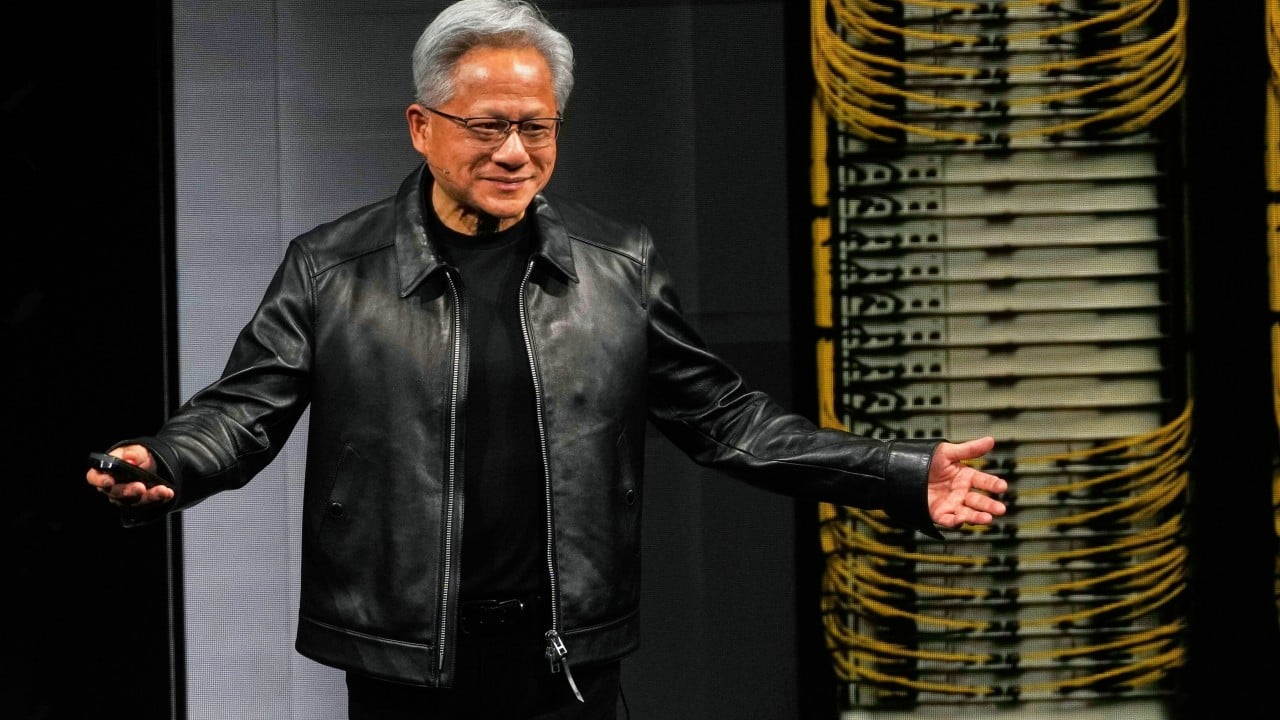
Nvidia’s Jensen Huang brings ‘sovereign AI’ push to Kazakhstan, shrugs off bubble fears
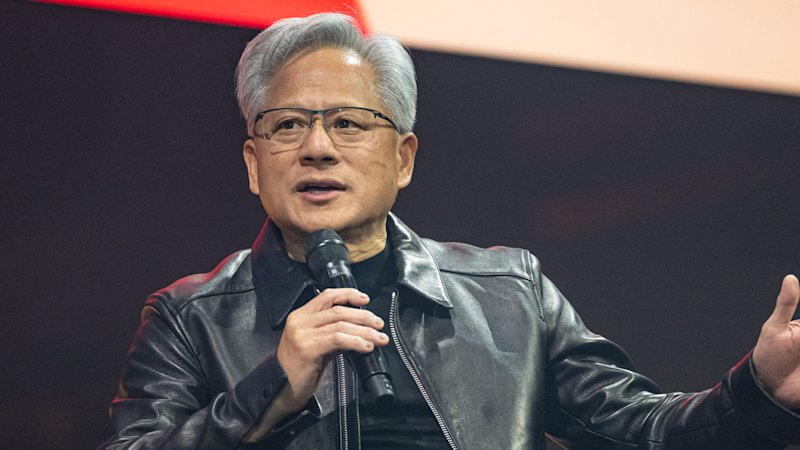
Nvidia CEO Jensen Huang is pitching the concept of “sovereign AI” in Kazakhstan – part of his global crusade urging nations to build domestic computing infrastructure using the firm’s chips – as the energy-rich nation emerges as a US-China battleground for artificial intelligence. Speaking at a fireside chat in Astana on Friday with Kazakh AI and digital development minister Zhaslan Madiyev, Huang said AI was reshaping every industry in a transformation that “affects every single person and...

China's humanoids go job hunting amid Korea's bets on physical AI
Chinese humanoid robot makers are accelerating efforts to gain a foothold in Korea, moving beyond dance performances and showroom displays to factory trials and other commercial applications as Seoul beefs up investment in physical artificial intelligence (AI). A string of Chinese robotics companies have flexed their muscles or announced projects in the country this year, including Hong Kong-listed Ubtech, startup Anyverse Dynamics, Shanghai-based Agibot and leading robot maker Unitree. “China’s new generation of robot companies has global DNA and naturally looks overseas, and Korea is one of the most important markets in Asia-Pacific,” said Ethan Qi, an associate director covering robotics at Counterpoint Research. The absence of locally built humanoids available at scale has created an opening for Chinese suppliers, he added. Early footprint Representatives of Galaxy Robot Park, a robot-themed entertainment venue in Seoul, agreed to buy Ubtech’s lifelike U1 model after attending its debut in Shenzhen in June, according to Sean Qin, overseas head of the company's commercial robo

Chung Mong-Koo Foundation's pianists sweep international awards
Three young Korean pianists — supported by Hyundai Motor Chung Mong-Koo Foundation — have earned international recognition this year, winning top prizes at major competitions in Europe and the United States. Shin Young-ho, 19, placed second in the piano category at the 76th Giovanni Battista Viotti International Music Competition, which concluded in Vercelli, Italy, on Oct. 17. Lee Jeong-woo, 18, won first prize at the 20th George Enescu International Competition in Bucharest, Romania, in September, while Lee Ju-eon, 15, claimed prizes at three international piano competitions in the United States during the first half of the year. The achievements highlight the progress of a new generation of pianists who have received sustained support from the foundation, as they pursue international careers. Shin continued his strong performance on the international competition circuit, following a second-place finish at the Dublin International Piano Competition and a special prize at the Pancho Vladigerov International Piano Competition, both held in 2025. Selected as a foundation scholarship re

Korean builders face risk of losing $755 mil. in unpaid Iraq refinery project
Hyundai Engineering & Construction (E&C) and three other local builders are at risk of losing more than 1 trillion won ($755 million) tied up in a major Iraqi refinery project, according to documents obtained by a ruling party lawmaker Friday. Hyundai E&C, GS Engineering & Construction, SK ecoplant and Hyundai Engineering have yet to collect 625.4 billion won in outstanding payments and are facing the possible forfeiture of another 420.2 billion won in performance guarantees. The builders have been seeking payment for work on the $6.8 billion Karbala Refinery Project, commissioned by Iraq's state-owned State Company for Oil Projects (SCOP). Company materials provided to Rep. Lee Jae-gang of the ruling Democratic Party of Korea showed the construction of a refinery capable of processing 140,000 barrels of crude oil per day was delayed by factors including Iraq’s internal conflict and the COVID-19 pandemic. The companies handed over the refinery's facilities to the Iraqi side in December 2023. However, SCOP has withheld payments, citing outstanding defects and missing tax-related docume

Woojin recognized for job creation, improved working conditions
Woojin Industrial Systems, a Korean manufacturer of railway vehicles and electric buses, said Friday it has been selected for this year’s Ministry of Employment and Labor recognition program honoring companies for creating jobs and improving working conditions. The annual program recognizes 100 private companies and provides administrative and financial incentives to encourage hiring and improve workplace practices. Woojin said investment outside the Seoul metropolitan area helped drive its employment growth. It completed a 47 billion won ($35 million) electric bus factory in Gimcheon, North Gyeongsang Province, supporting efforts to recruit about 100 local workers. The proportion of the company’s workforce covered by employment insurance rose to 673 at the end of 2025 from 578 in 2024. Woojin attributed the growth to investment and recruitment partnerships with local universities and vocational high schools. Of its 140 new hires in 2025, 64 were aged 15 to 34. The company said expanded recruitment of women and support for maternity protection measures helped reduce its female employ

Financial industry heavyweights compete to head banking lobby
With the Korea Federation of Banks (KFB) set to appoint its next chairman, several former financial executives and regulators are emerging as potential candidates to take the helm of the country’s leading banking lobby, according to industry officials on Friday. The federation represents 23 full members — commercial, regional and internet-only lenders — as well as 33 associate members, comprising branches of foreign banks. The incumbent, Cho Yong-byoung, is due to leave office on Nov. 30. Yoon Jong-kyoo, former chairman of KB Financial Group, has long been viewed as a front-runner. He served as a vice chairman at accounting firm Samil PwC and president of KB Kookmin Bank before leading KB Financial from 2014 to 2023, overseeing major acquisitions including LIG Insurance and Hyundai Securities. But the prospect of another KB Financial veteran taking a top post at a financial industry association has drawn growing resistance. The concern has intensified after Lee Dong-chul, a former KB Financial vice chairman, took the helm of the Credit Finance Association this year, followed by Kim

KEPCO wins UNLEASH award for 2nd straight year
Korea Electric Power Corp. (KEPCO) has won the UNLEASH Learning and Development Award for the second consecutive year, becoming the first Korean company to achieve the feat and reaffirming its global competitiveness in human resource development (HRD), the state-run utility said Friday. The award was presented at UNLEASH World 2026, a major human resources development conference, in Paris on Thursday (local time), according to KEPCO. Established in 2016 by the European Association for People Management and U.K.-based HR technology group UNLEASH, the award recognizes excellence in HRD, based on its strategic impact, organizational role and contribution to business performance. The recognition follows KEPCO's consecutive wins at the ATD Awards, organized by the U.S.-based Association for Talent Development, over the past two years, further demonstrating the company's expertise in employee training and talent management. KEPCO said evaluators recognized its alignment of HRD with business strategy, data-driven personalized training and integration of HRD with human resource management (HRM).
All Press

YOUR NEWS, OUR NETWORK.
Do you have Great News you want to tell the world?
Be it updates about your business or your community, you can make sure that it’s heard by submitting your story to our network reaching hundreds of news sites across 6 verticals.