
Industrial Technology

OPPO ColorOS 17 update readies itself for Find X10 series launch, also going to older devices
Be sure to check the rollout schedule within to see when the Android 17 update goes to your OPPO phone.

[COVER STORY] Labor rigidity hinders Korean shipbuilders' ability to take more orders
Korean shipbuilders are struggling to expand production capacities despite order books stretching years ahead. Their main struggle is not about technology or infrastructure, but labor. They need to hire workers quickly enough to scale up and capitalize on additional orders, but they say Korea's inflexible employment practices, combined with the industry's cyclical nature, are complicating workforce planning: Hiring aggressively during a boom can leave shipbuilders with excess labor costs when orders decline, making them cautious about expanding their permanent workforce. While they are struggling with the rigid labor arrangements, Chinese rivals are rapidly ramping up capacity. Domestic industry officials worry that China's expanding shipbuilding experience could erode Korea's technological edge as Chinese shipyards build more vessels and hone their technical capabilities. “As shipbuilding is a cyclical industry with large swings between booms and downturns, flexibility is needed to adjust production capacity in line with market conditions,” an industry official said on condition of

Hyundai Rotem to acquire Hyundai Wia's defense unit for $252 mil.
Hyundai Rotem, a defense affiliate of Hyundai Motor Group, said Monday it will acquire Hyundai Wia's defense business for 358.4 billion won ($252 million) to strengthen its weapons production capabilities. Hyundai Rotem said in a regulatory filing that it plans to acquire Hyundai Wia's defense business, which manufactures key components for Korea's K9 self-propelled howitzers and K2 main battle tanks. The acquisition is expected to boost Hyundai Rotem's competitiveness in the global market by bringing more of its weapons production capabilities in-house, particularly for its flagship K2 tanks. In August 2025, the company signed a $6.5 billion follow-up contract to supply K2 tanks to Poland. Five months later, it reached a comprehensive agreement with Peru to supply 195 ground weapons systems, including 54 K2 tanks. For Hyundai Wia, the sale is part of broader restructuring efforts to shift its focus toward future mobility technologies, including vehicle electrification and software-defined vehicles (SDVs). The company plans to use the proceeds from the sale to invest in new growth areas,
This robot will deliver your food, if it doesn’t get smashed first
The machines have been kicked, beaten and defaced – but are also vacuuming up data
US-based AI prediction ‘unicorn’ opens Singapore office to target regional customers
Startup Aaru is among a wave of tech firms entering the city-state, and is now hiring for commercial roles
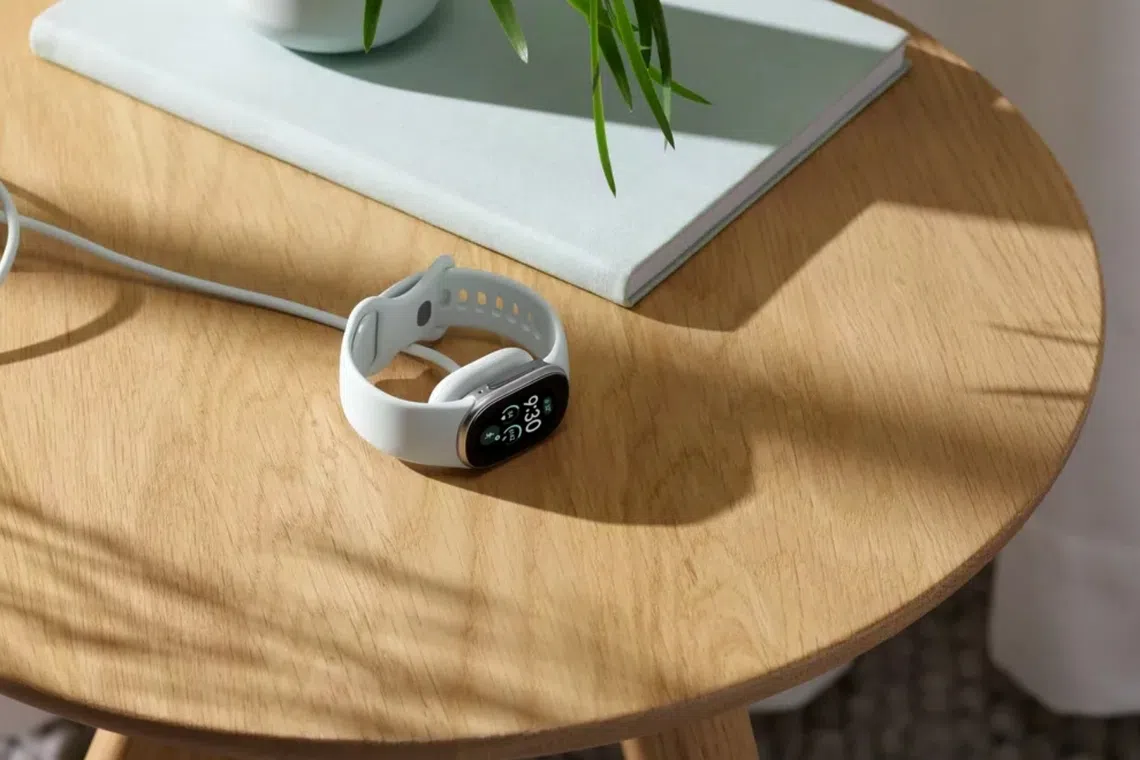
Google Fitbit Edge gets an OLED display and a replaceable battery
Google’s new Fitbit Edge combines smartwatch-style features with a fitness band’s lightweight design, while adding a repairable build and up to seven days of battery life.

Why Elon Musk’s new Roadster will fly off the shelves
The sudden prospect of flying cars becoming An Actual Thing sent the internet into overdrive.

Fancy a self-cleaning house? Let a high-end robot step in
Giving time-poor Australians back hours in their day, robot vacuums, window cleaners, lawn mowers and pool cleaners are laying the foundation for self-maintaining homes.

Apple says iPhone Duo demand is “extraordinary” as shipping dates slip to late January 2027
Pre-orders for Apple’s first foldable iPhone have pushed estimated delivery dates into late January 2027, but it’s unclear whether this reflects strong demand or limited launch inventory.
CXMT shares fall 7.8% despite blockbuster earnings figures
Chinese memory chip giant ChangXin Memory Technologies (CXMT) saw its shares fall more than 8 per cent in early Monday trading, despite forecasts of strong profits and plans for a share buy-back amid a global sector-wide market rout. CXMT shares dropped 7.8 per cent on Monday to close at 41.52 yuan. The company’s stock surged to a peak of 61.8 yuan in August – up as much as 614 per cent from its initial public offering price of 8.66 yuan in July – before paring back gains. The market reaction...