
Industrial Technology

Naver's Dunamu takeover faces antitrust scrutiny amid competition concerns
The Fair Trade Commission (FTC) has launched a formal review of Naver Financial’s planned acquisition of Dunamu, saying the deal could substantially restrict competition across multiple markets, including online payments and digital asset exchanges, the watchdog said Tuesday. The deal involves a comprehensive stock swap under which Naver Financial would acquire all shares of Dunamu. In return, Dunamu shareholders would receive about 2.54 shares of Naver Financial for each Dunamu share. Dunamu is the operator of the nation’s leading crypto exchange Upbit. If completed, Naver Financial would become Dunamu’s sole parent company, while Dunamu would become its wholly owned subsidiary. The proposed merger raises competition concerns in several relevant markets. The companies reported their corrective measures to ease such concerns, and the FTC initiated a review of the measured proposed by the two firms. Naver Financial seeks to bring one of Korea’s largest digital asset exchanges under its financial portfolio. The watchdog is expected to hold a hearing on the case soon. Final approval,
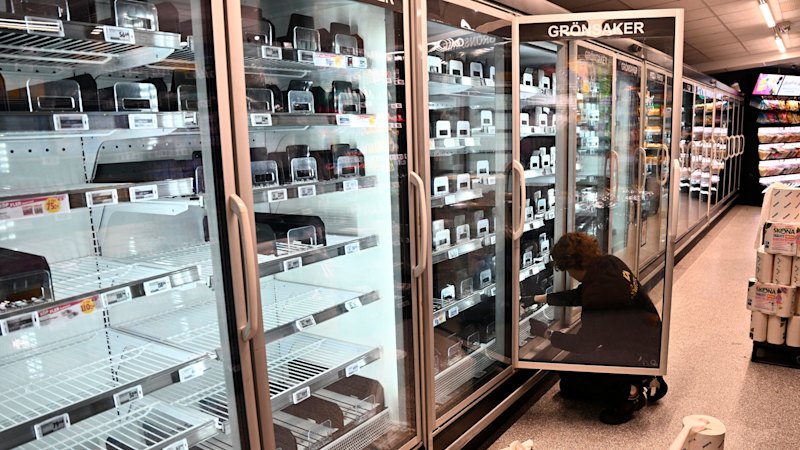
Hackers plunged dozens of European supermarkets into chaos. It should worry Australians how easy it was
Freezers in dozens of stores across at least 11 countries were cranked up remotely, in a hack that cost less than $10. It should worry Australians.

Billionaire founders’ stakes in Atlassian diverge with share deals
Scott Farquhar and Mike Cannon-Brookes once held equal stakes in the software giant, but Farquhar is now selling shares, while Cannon-Brookes buys up.
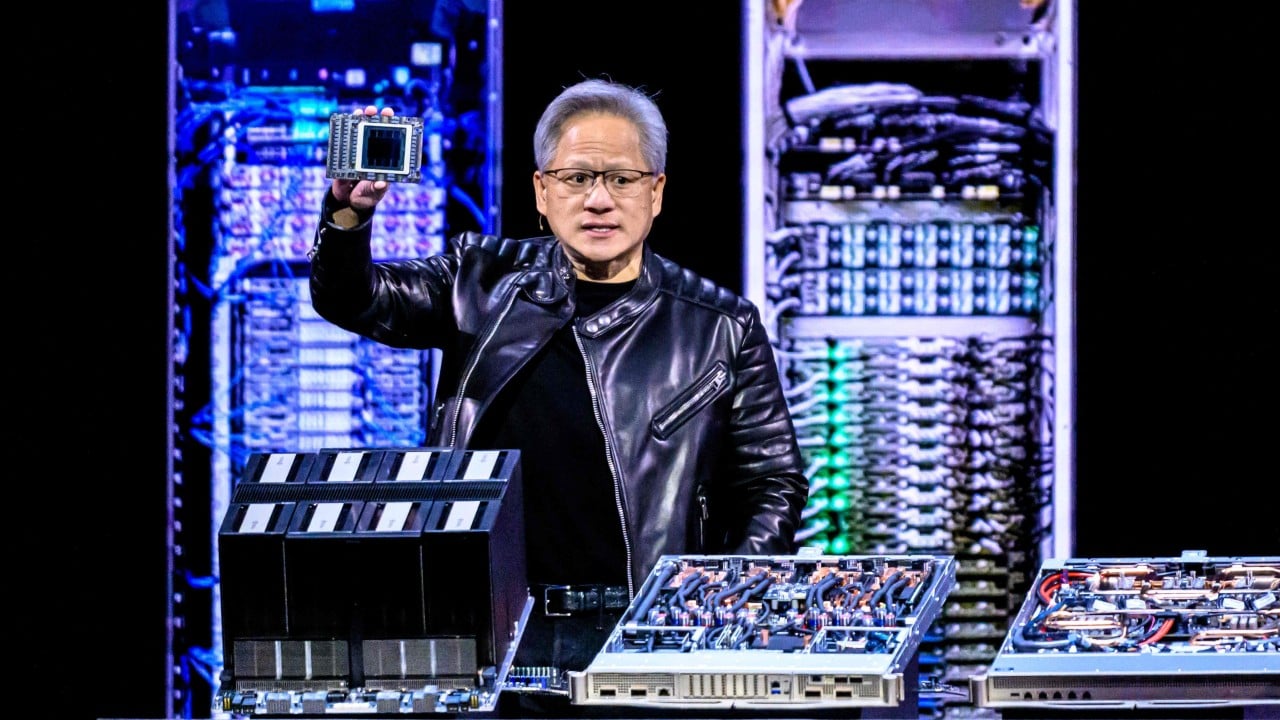
Chinese traders still confident of Nvidia GPU access amid Jensen Huang scandal
Prices for Nvidia graphics processing units (GPUs) are falling in China’s largest electronics market, as traders shrug off the frenzy of market speculation over tightening export controls in the wake of the US midterm elections and the Jensen Huang affair. The US chip giant’s top-of-the-range GeForce RTX 5090 graphics card surged in price last month at Shenzhen’s Huaqiangbei market, but that was mostly driven by rumours that Nvidia was going to halt production to focus on high-end enterprise...
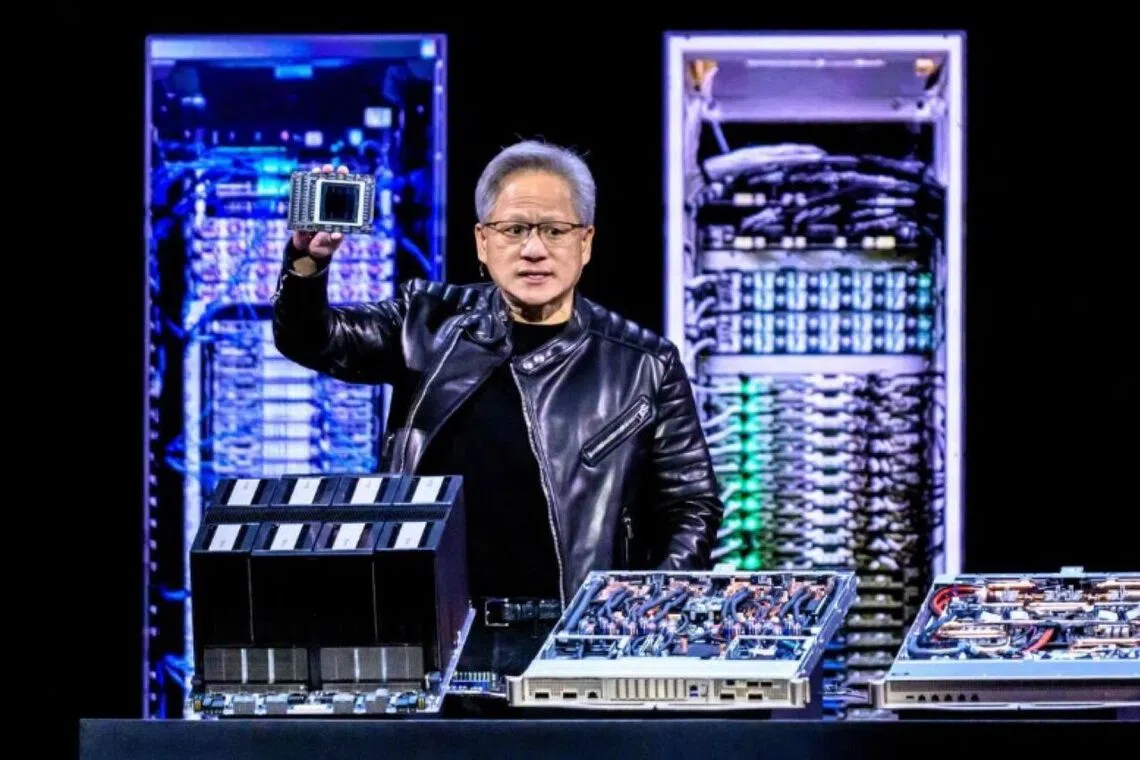
Jensen Huang admits affair as NVIDIA probes reports of alleged Chinese spy operation
NVIDIA shares fell after the CEO’s admission prompted a board investigation, raising questions about his future at the company he co-founded.
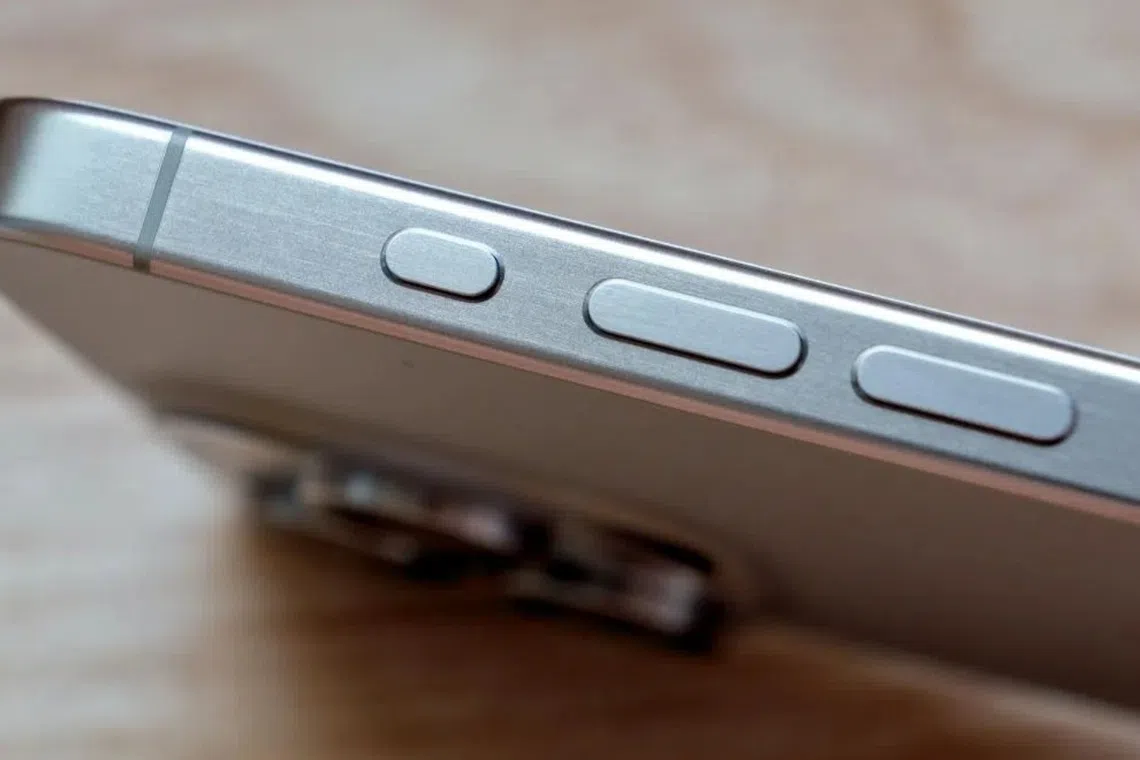
Apple reportedly looking to combine the iPhone’s Action Button and Camera Control
The rumoured change could see a single button handle camera access, app launches and shortcuts.
Xiaomi details HyperOS 4 update rollout schedule
More than 80 Xiaomi, Redmi, and Poco phones and tablets are scheduled to receive the update.
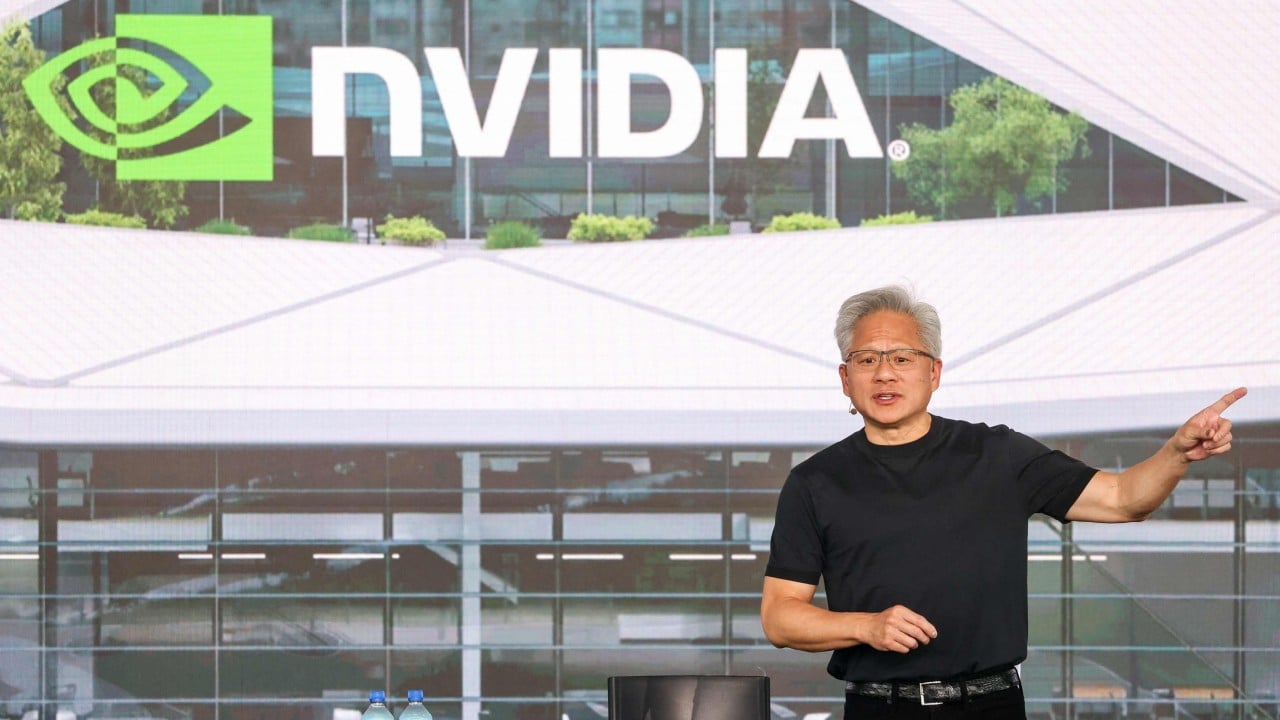
Nvidia faces defining test as Jensen Huang probe adds to chip stock turbulence
Nvidia is facing an unprecedented valuation test as a board inquiry into CEO Jensen Huang exposes the US chipmaker to a rare key-person risk, while investors also weigh the midterm elections’ potential impact on Washington’s chip controls and AI regulation. The company’s shares slumped 7.3 per cent as markets opened in the United States on Monday, following Huang’s bombshell confirmation over the weekend that he had been unfaithful to his wife and would cooperate with an investigation into his...

Hoban's rise gives Delta more leverage in Hanjin KAL power battle
Hoban Group’s rise as Hanjin KAL’s largest shareholder is giving Delta Air Lines greater leverage in the power struggle over Korean Air’s holding company as Chairman Cho Won-tae seeks to retain control. Hoban and its affiliates held a 20.69 percent stake in Hanjin KAL as of Wednesday, narrowly surpassing Cho and related parties at 20.58 percent. Cho has agreed to purchase another 325,000 shares for 37.05 billion won ($27 million), which could lift his side’s stake to 21.06 percent and restore its position as the largest shareholder. The increasingly close shareholding structure, however, has heightened the importance of major shareholders outside the two rival camps. Delta owns 14.9 percent of Hanjin KAL, while the state-run Korea Development Bank (KDB) holds 10.58 percent. Together with Cho’s stake, the three parties account for about 46 percent of Hanjin KAL. Excluding KDB from consideration for any future Korean Air deal due to its unique status as a public financial institution, Delta is emerging as an unexpected beneficiary of the renewed power struggle between Cho and Ho

Battery materials firms ramp up LFP capacity amid rising demand
Battery materials makers are accelerating their expansion into lithium iron phosphate (LFP) materials, as growing demand for energy storage systems (ESS) and non-Chinese supply chains in North America fuels competition to secure production capacity. LFP cathode supply commitments between domestic battery cell makers and materials suppliers are estimated to exceed 210,000 metric tons, according to industry estimates, prompting manufacturers — POSCO Future M, L&F and EcoPro BM — to step up investments. POSCO Future M is expanding its LFP capacity by converting part of its existing high-nickel cathode production lines at its Pohang plant. The company plans to increase annual capacity from about 20,000 tons to as much as 105,000 tons by the end of next year. It also plans to utilize up to 50,000 tons of capacity from CNP New Material Technology, a joint venture with CNGR and Fino. Following a 1.07 trillion won ($784.5 million) LFP cathode material supply deal with SK On in September, POSCO Future M signed another long-term supply contract worth about 6 trillion won with Samsung SDI last