
Most Recent
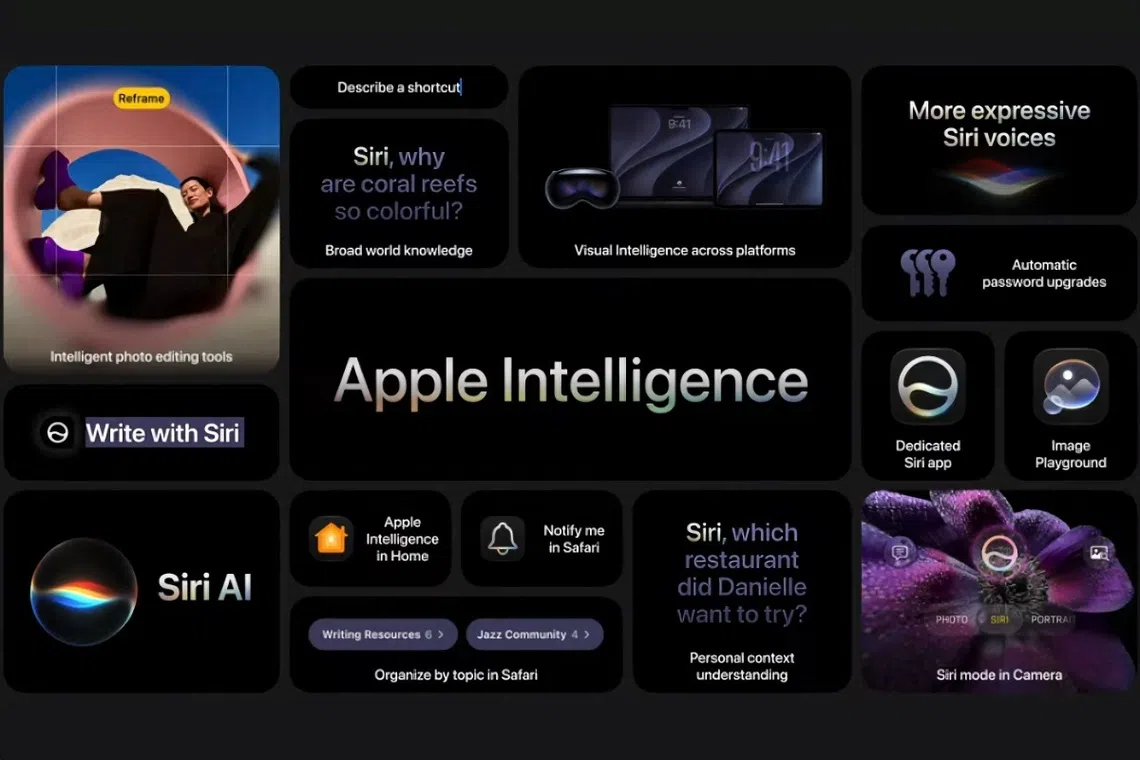
Here’s how much storage Apple Intelligence needs on newer iPhone models
Apple Intelligence now requires up to 14GB storage for newer iPhone models.

Korea decides on 1 US investment project, draws up plans for 2 others
Korea has decided to pursue one U.S. investment project and drawn up implementation plans for two others as Seoul and Washington continue to finalize details of their investment agreement. Industry Minister Kim Jung-kwan briefed the National Assembly's Trade, Industry, Energy, SMEs and Startups Committee on the projects Tuesday, saying the government had decided to pursue one after reviews by committees chaired by the industry and finance ministers. “Today, I would like to report on one project for which the government has decided to pursue,” Kim said during the committee's plenary session. He added that the government had prepared implementation plans for two other projects that have not yet been approved but reflect shared interests between Korea and the United States. “Although we have not yet decided to pursue these projects specifically, I would like to report on the implementation plans for two projects that reflect the interests of both countries,” he said. Kim said the government had identified projects that could benefit Korea and reviewed U.S.-proposed projects based on
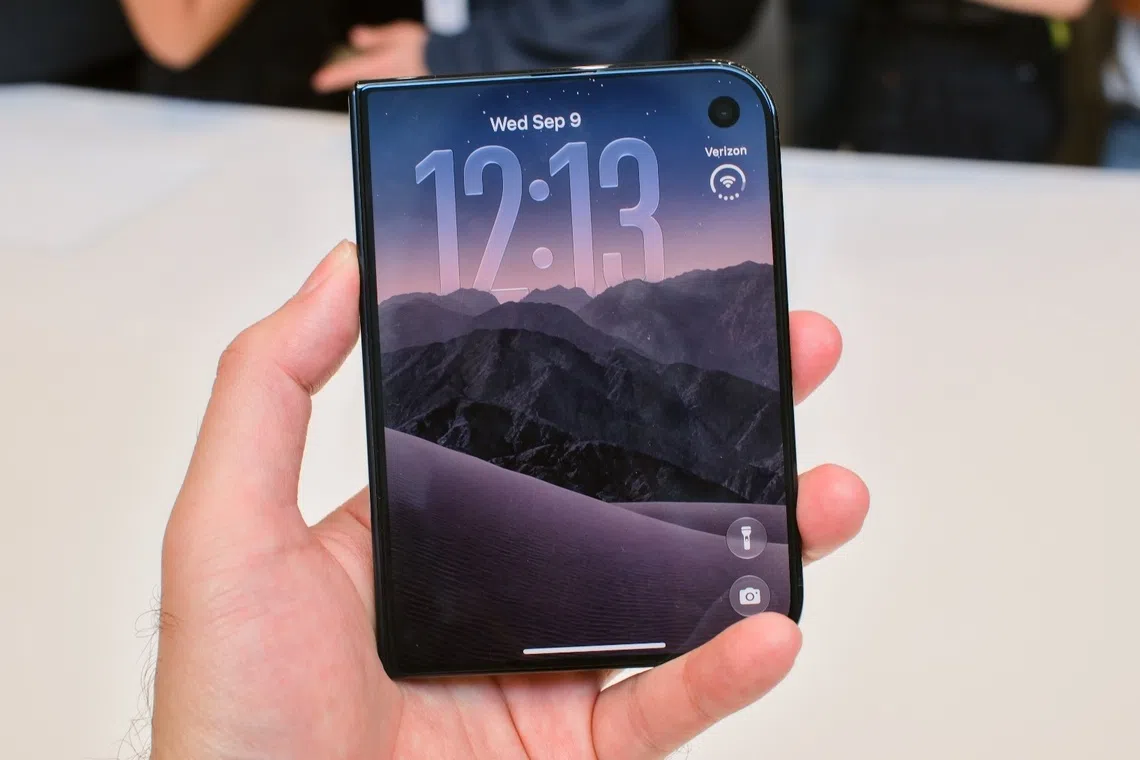
The iPhone Duo was supposed to have its own Apple Pencil, but it was ultimately cancelled
Apple reportedly designed a shorter Apple Pencil specifically for its first foldable iPhone.
Meta’s new Muse AI app tops charts, draws strong reviews
Its early popularity may show that AI bets could eventually pay off
Syfe crosses S$20 billion AUM mark, tracks growth from investment and trading segments
Its focus now is on curating the funds that are right for the platform’s users
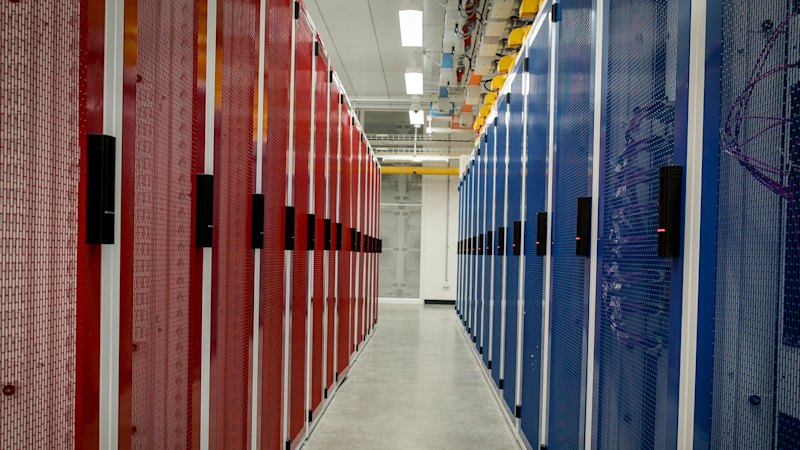
‘I’d love to see more of it’: Telstra backs data centre boom amid backlash
The telco owns the cable that would connect new AI infrastructure and says Australia is ideal for an accelerated development despite opposition.

Stronger won to test chip, display firms' Q3 profitability
The strengthening Korean won is emerging as a fresh earnings risk for chipmakers, display firms and other electronics companies that rely heavily on dollar-denominated transactions, prompting brokerages to cut earnings estimates for the third quarter. According to data from the Bank of Korea, Sunday, the Korean currency traded at 1,480 won against the dollar on July 16, before strengthening to 1,413 won on Aug. 17 and 1,382 won on Sept. 17. This represents a 6.6 percent narrowing in the dollar-won exchange rate over the two-month period. The change in the dollar-won exchange rate accelerated particularly from August, with the Korean currency gaining value to 1,336 won per dollar on Sept. 9. This prompted brokerages that had based their earnings forecasts at 1,450 won per dollar to begin cutting their estimates, causing the third-quarter earnings consensus for major companies such as Samsung Electronics and SK hynix to drop. According to market tracker FnGuide, brokerages’ consensus on Samsung Electronics’ third-quarter operating profit stood at 122.35 trillion won ($88.27 billion) o

Authentic Korean convenience meals attract foreigners
The global popularity of Korean food has reached a point where convenience store meal boxes, known as “dosirak,” have become part of a new market trend where signature Korean flavors and traditional recipes have become a hit with international visitors and popular in new markets. Min Jung-hwan, who plans and oversees dosirak production for GS25 at GS Retail’s Merchandise Headquarters, is seeing the shift firsthand. Rather than creating separate products for foreign customers, the retailer is increasingly offering the same dosirak that appeal to Korean consumers, reflecting growing interest in authentic Korean flavors. “We don’t make dosirak that are specially for foreigners because many of them like what Koreans enjoy. Even at GS25 stores in Vietnam and Mongolia, visitors are interested in authentic Korean-style dosirak. We try to meet such expectations so that they can feel they are inside a Korean convenience store,” Min said in an interview with The Korea Times. “To serve the rising number of foreigners coming to Korea, we are boosting a pipeline for those with banchan

Samsung Electronics breaks ground on HVAC production line in Gwangju
Samsung Electronics held a groundbreaking ceremony for a heating, ventilation and air conditioning (HVAC) production line in the southwestern city of Gwangju on Monday. The company plans to invest approximately 240 billion won ($173 million) to build a 21,500-square-meter HVAC production line at its Gwangju operations site. The new production line, scheduled to begin operations in 2028, will manufacture HVAC products from FlaktGroup Holding GmbH, a Germany-based ventilation company that Samsung Electronics acquired last year. "The launch of the new FlaktGroup production line will serve as another milestone in advancing our HVAC business, a key growth driver for the company," Roh Tae-moon, co-chief executive officer of Samsung Electronics and head of its device experience (DX) division, said at the ceremony. Samsung said the new production line will strengthen its global production capabilities for advanced cooling equipment and centralized HVAC solutions as demand for cooling and HVAC solutions for artificial intelligence (AI) data centers continues to grow rapidly.

KRICT researchers develop cathode technology for high-capacity batteries
A research team at the Korea Research Institute of Chemical Technology (KRICT) has developed a new cathode technology that could help batteries store more energy without increasing their size or weight, the institute said Monday. The team, led by senior researchers Moon San and Suk Jung-don, developed a new dry thick cathode technology that improves the movement of lithium ions inside electrodes. The research was featured as the cover article of the international academic journal Exploration in August, with post-master's researcher Eun Hye-ji as the first author. The technology uses graphitic carbon nitride as an additive in dry cathodes for the first time, helping the electrolyte penetrate deeper into the electrode and reducing the energy required for lithium ions to enter the cathode material. One way to produce high-energy-density batteries is to make electrodes thicker, as this allows more active material to be packed into the same area. However, as electrodes become thicker, lithium ions have more difficulty moving through them, preventing the battery from fully utilizing the energ