
Most Recent
Hong Kong sets first five-year plan tech goals, expands baby bonus
City aims to make total domestic expenditure on innovation activities account for 3% of GDP after 2030
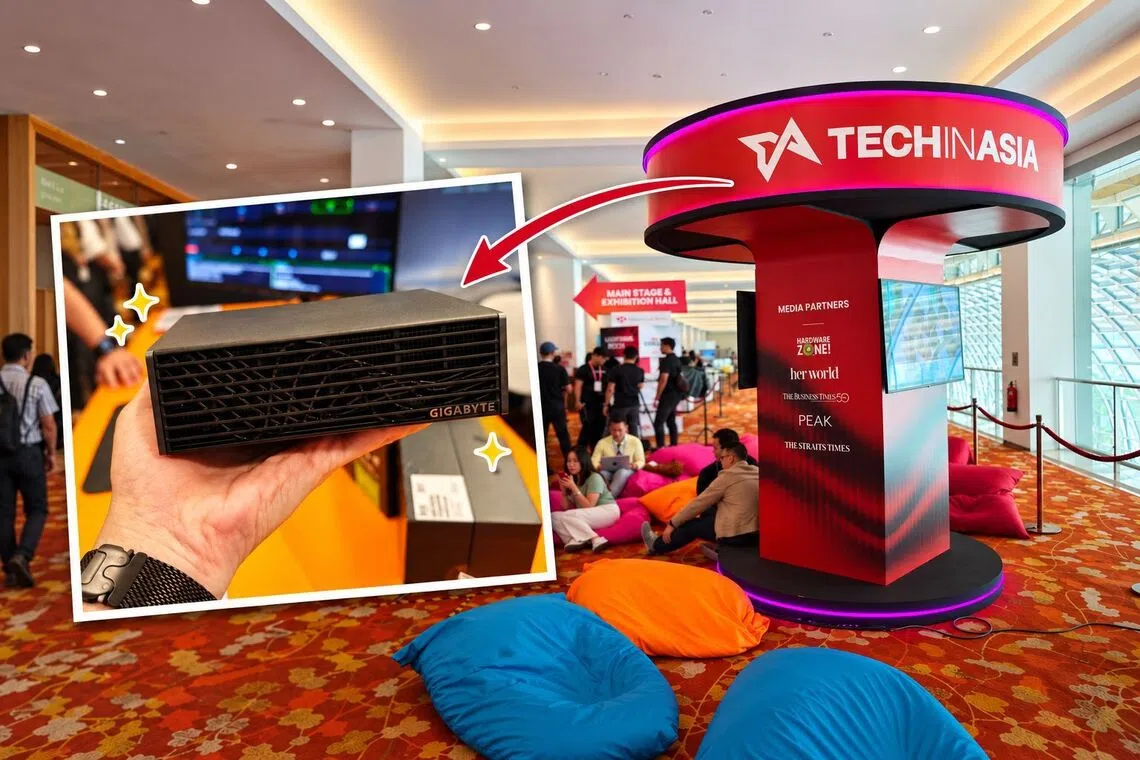
Gigabyte showcases its compact AI TOP ATOM desktop at Tech in Asia Conference
The Mac mini-sized computer is designed for developers and businesses that want to run AI models locally.
South Korea's SK Hynix union approves tentative wage deal with management, source says
This raises share of profit-sharing bonuses paid in cash to 50%, up from 40% set in an earlier deal
South Korea’s SK Hynix union approves tentative wage deal with management
This raises share of profit-sharing bonuses paid in cash to 50%, up from 40% set in an earlier deal
Hong Kong’s data centre ambitions face US$2.6 billion funding test
As North American investors pull back, the city increasingly relies on mainland Chinese demand
Meta’s Zuckerberg weighs in on AI safety; favours evaluators over slowdown
‘Engaging independent evaluators and advisors is industry best practice’, he says
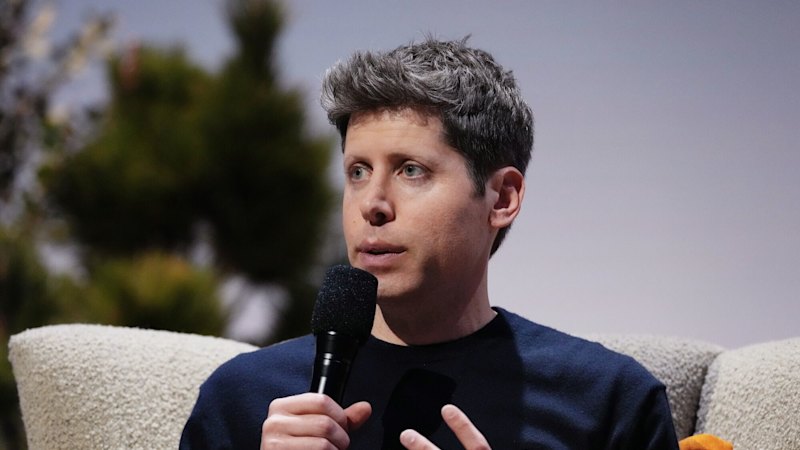
‘The world should trust us’: Silicon Valley billionaire’s plea as fight escalates
OpenAI chief executive Sam Altman backed an AI slowdown on Saturday. Now he says the public should be able to put their faith in AI firms to act responsibly without strings attached.

Sega and Netflix announce slate of new adaptations spanning Crazy Taxi, Sonic and Yakuza
Adaptations for Crazy Taxi and Yakuza prequel Stranger than Heaven will be live-action, while the Sonic adaptation is set to be an animated series for kids.

Will Delta stick to old friend, keep Korean carrier in Cho family's hand?
With Hoban Group’s stake in Hanjin KAL nearly matching that of Hanjin Group Chairman Cho Won-tae and his interested parties, Delta Air Lines and Japan Airlines (JAL) are emerging as potentially crucial allies in maintaining the Cho family's control of Korean Air. As Hoban closes in on Cho’s stake in Hanjin KAL, Korean Air’s controlling shareholder is counting on its old ally, Delta Air Lines, to help hold the line. Delta owns a 14.9 percent stake in Hanjin KAL, making it one of the largest shareholders and a key pillar of Cho’s shareholder base. The U.S. carrier has also maintained a deep strategic relationship with Korean Air for years, and is widely considered to stand in favor of Cho’s leadership. That support could become increasingly important as the ownership structure tightens. Hoban now owns 20.15 percent of Hanjin KAL, just 0.42 percentage point below Cho and his related parties. The gap is small enough to turn every major shareholder into a potential kingmaker, particularly as Korea Development Bank (KDB) still holds a 10.58 percent stake and has yet to decide when an
![[COVER STORY] Hoban's insatiable appetite: Group founder targets Korean Air](https://newsimg.koreatimes.co.kr/2026/09/14/fa1a3404-425c-4e53-aab0-2524a7b327bd.jpeg)
[COVER STORY] Hoban's insatiable appetite: Group founder targets Korean Air
Kim Sang-yeol, founder and former chairman of Hoban Group, has built the company into one of Korea’s most aggressive investors, with his latest bet on Korean Air bringing Hoban’s Hanjin KAL stake nearly level with that of the airline’s controlling shareholder. Hoban Group has so far amassed a 20.15 percent stake in Hanjin KAL, the parent company of Korean Air, putting it just 0.42 percentage point behind Hanjin Group Chairman Cho Won-tae and his related parties, which collectively own 20.57 percent. That narrow gap puts Kim in a position to challenge the balance of power at Korea’s flagship airline — particularly if Korea Development Bank (KDB) decides to sell its 10.58 percent stake. The state-run bank has yet to decide how to sell its stake in Hanjin KAL. The decision may determine who holds the upper hand in the management rights for the integrated airline that is scheduled to launch on Dec. 17 following Korean Air's takeover of Asiana Airlines. Hoban has expanded far beyond its housing construction roots through a string of acquisitions and investments, including Taihan Cab