
Most Recent
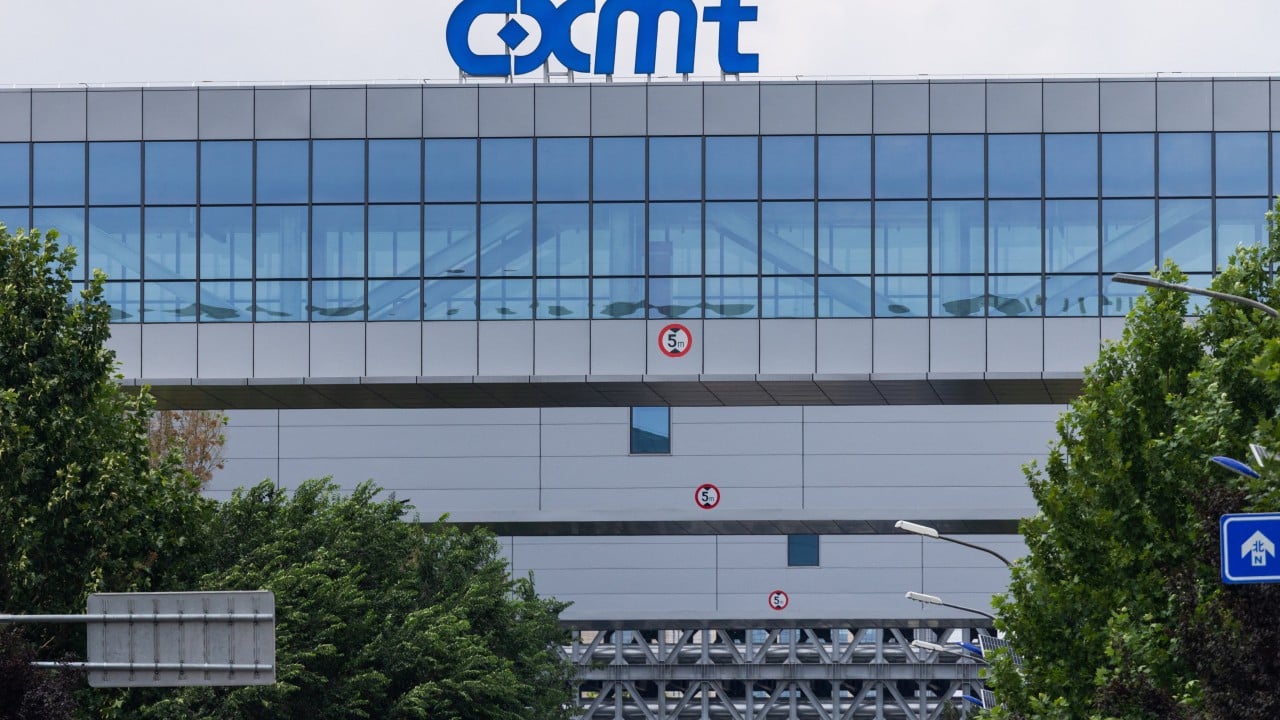
Once reliant on Samsung and SK Hynix, Chinese smartphone makers are turning to CXMT
China’s leading memory chipmaker ChangXin Memory Technologies (CXMT) is gaining ground among local smartphone vendors, with some of its high-end chips finding their way into flagship Chinese handsets as vendors push into the premium market. ZTE-backed Nubia’s NaviX Ultra that went on sale on Wednesday used LPDDR5X DRAM chips from CXMT, the companies announced earlier this month. The handset was dubbed the Nubia Doubao phone due to its integration of TikTok parent ByteDance’s Doubao artificial...

Marvel’s Avengers Endgame: Encore tickets to go on sale from 18 September
Avengers, assemble!
Huawei quickens AI chip pace, promises next entrant 3 quarters early
Huawei Technologies said on Thursday that it would launch its next-generation artificial intelligence chip in the first quarter of 2027, moving the target launch forward by nine months as the firm aggressively expands its ecosystem amid China’s self-sufficiency push. David Wang Tao, rotating and acting chairman for Huawei, said on Thursday that the Ascend 960DT chip, an AI chip designed for model training, “with performance doubling”, would be “ready in the first quarter of 2027”, three quarters...

Singtel offers free AI Pass access with selected SkillsFuture courses
Singtel’s AI Pass gives eligible learners access to six premium AI tools for up to six months, as Singapore expands its national push to build practical AI skills.
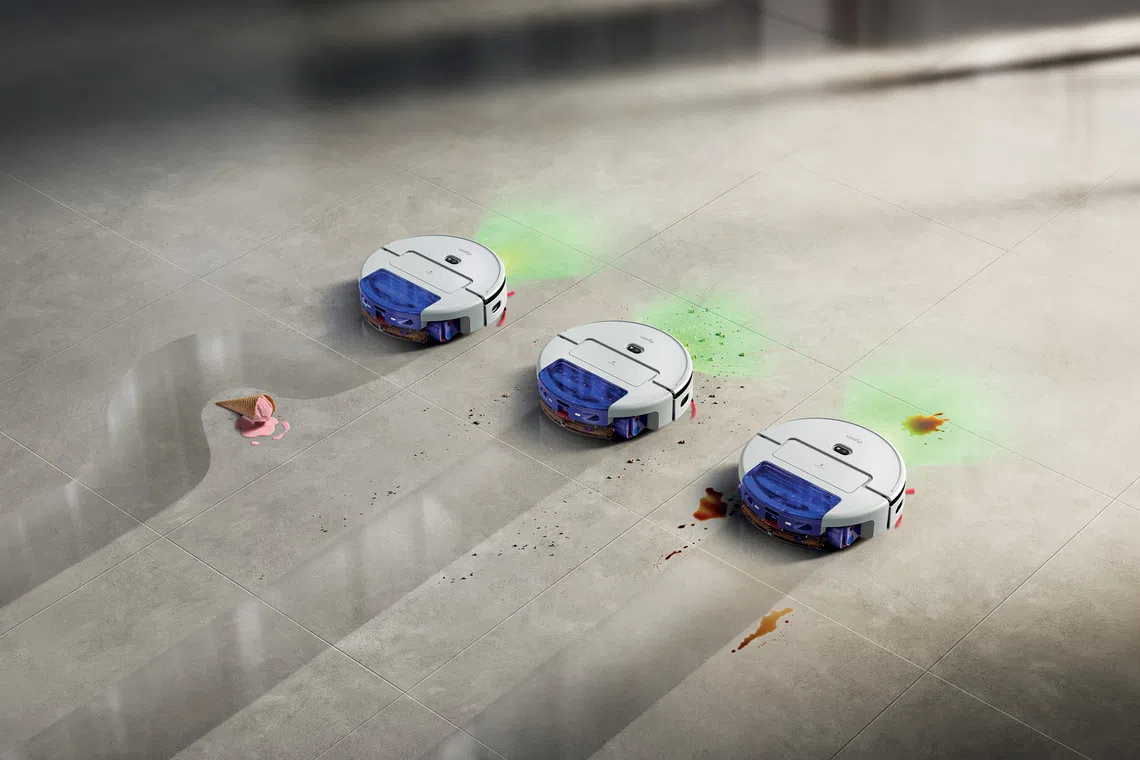
Dyson unveils 10 new products, including three Nurovi robot vacuums
The wide-ranging launch also covers air purifiers, floor cleaners and hair-care devices, alongside the camera-equipped CameraJet toothbrush.
Huawei unveils latest tech to boost AI power in push to break China’s Nvidia reliance
Huawei Technologies on Thursday unveiled its latest Atlas 960 SuperPoD computing cluster and an upgraded version of its UnifiedBus interconnect technology, key components of the Chinese tech giant’s strategy to build advanced artificial intelligence systems despite US semiconductor-related restrictions. At the Huawei Connect 2026 conference in Shanghai, the Shenzhen-based firm introduced near-packaged optics (NPOs) – a placement structure enabling higher speeds and lower energy use – to the...
Huawei set to unveil China’s best answer to Nvidia AI chip reign
Firm is spearheading Beijing’s drive for self-sufficiency in critical technologies
Huawei accelerates launch of new AI chip to take on Nvidia
Firm is spearheading Beijing’s drive for self-sufficiency in critical technologies
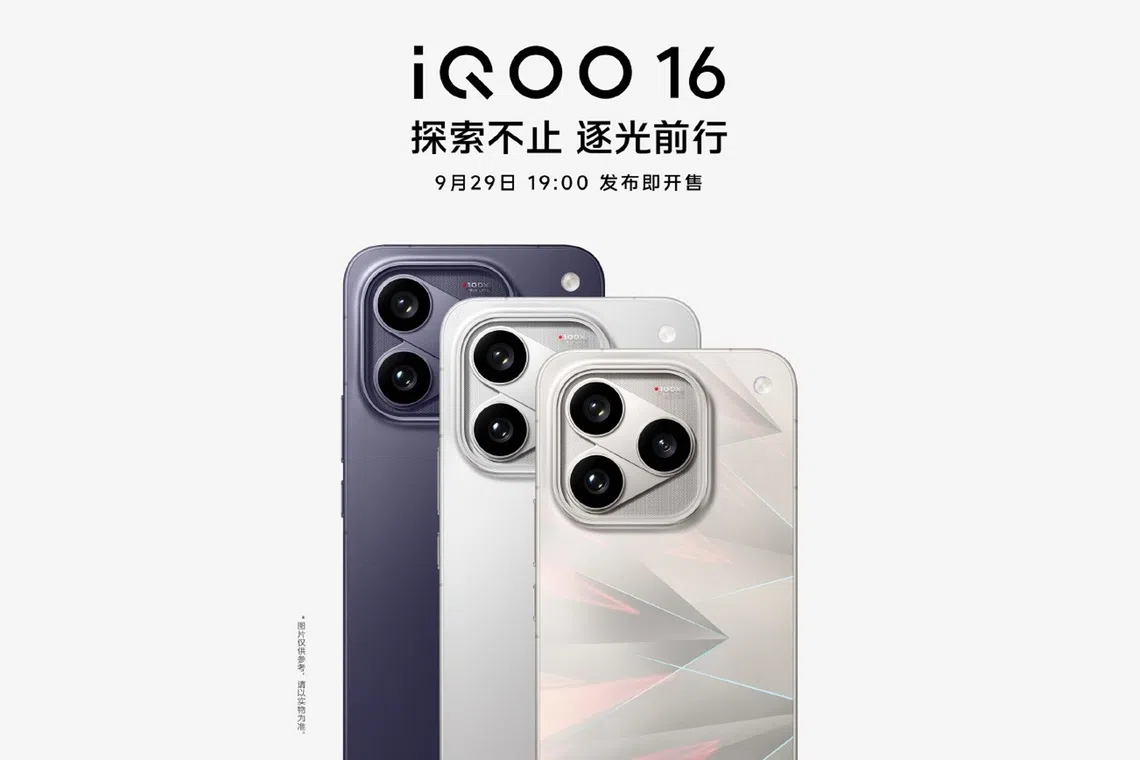
Samsung’s breakthrough OLED display makes its first appearance on an iQOO phone
This new phone display breakthrough raises the bar on resolution and refresh rates to a new gold standard.

POSCO workers stage 2nd partial strike over wage demands
Unionized workers at South Korean steelmaker POSCO began a second partial strike Wednesday after failing to narrow differences with management in wage negotiations. The 120-hour walkout began at 7 a.m. at POSCO's steel plants in Pohang and Gwangyang in southern South Korea, the union said. "We will call off the strike before the end of the five-day walkout if the company comes up with an acceptable proposal," union spokesperson Yi Jae-hyuk said by phone. POSCO has about 17,000 employees, including around 10,100 union members. The strike follows a 48-hour walkout that began at 7 a.m. last Wednesday and involved 120 workers, marking the first strike by POSCO workers since the company was founded in 1968. The union said the second strike would cause inevitable disruptions as about twice as many workers are participating compared with the first strike. POSCO said, however, that there would be no major disruption to plant operations, with about 60 workers each from its Pohang and Gwangyang plants expected to join the strike. The union has demanded a 7.1 percent increase in base pay, a performanc